
What are Thoracic Vertebral Compression Fractures?
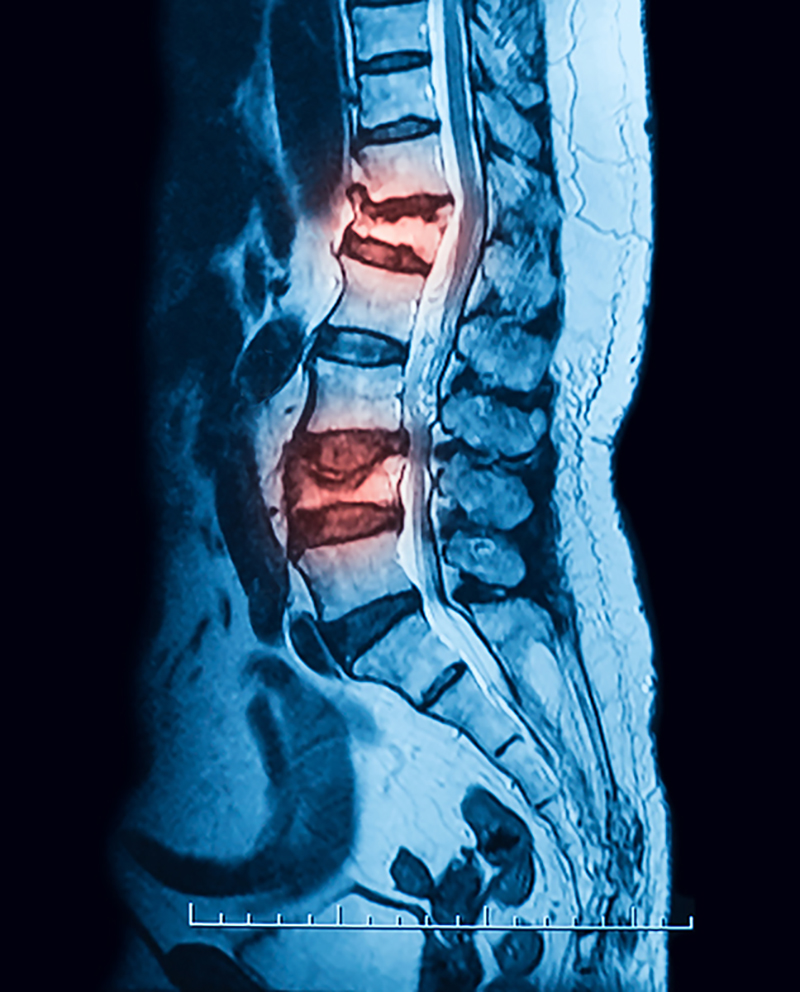
A thoracic vertebral compression fracture occurs when one or more of the twelve thoracic vertebrae collapse under excessive load or due to weakened bone. They are one of the most common spinal injuries seen in clinical practice, with two distinct patient populations: younger individuals following significant trauma, and older adults, particularly postmenopausal women, in whom osteoporosis makes bones vulnerable to fracture even from minor activities like lifting or coughing.
Who Gets It and Why?
- Osteoporosis – the most common cause in older adults; fractures may occur with minimal or no trauma
- High-energy trauma – road traffic accidents, falls from height in younger patients
- Pathological fractures – fractures through bone weakened by tumour or infection
- Prolonged steroid use – accelerates bone loss and predisposes to fragility fractures
What Does It Feel Like?
- Sudden onset of severe mid or upper back pain, often following a specific incident or sometimes with no clear trigger in osteoporotic fractures
- Pain worsened by standing, walking, or any movement; relieved by lying down
- Progressive spinal deformity (kyphosis or a “hunchback” appearance) with multiple fractures
- Neurological symptoms, leg weakness or bladder dysfunction, if fracture fragments displace into the spinal canal
How Is It Diagnosed?
- X-rays of the thoracic spine, identify vertebral collapse and deformity
- MRI – determines fracture acuity, identifies bone oedema indicating recent fracture, and assesses the spinal cord
- CT scan – essential for fractures with neurological deficit to assess canal compromise
- DEXA scan – bone density measurement to confirm and grade osteoporosis
How Is It Treated?
- Conservative management – pain control, bracing, and early mobilisation for stable fractures without neurological deficit
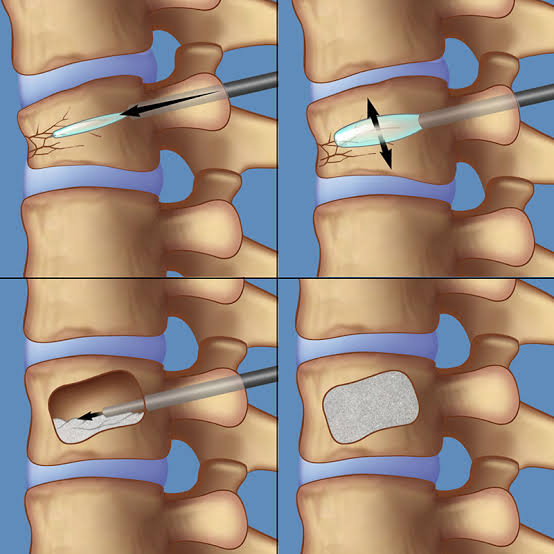
- Vertebroplasty or Kyphoplasty – minimally invasive procedures in which bone cement is injected into the fractured vertebra to stabilise it and relieve pain; kyphoplasty additionally restores some vertebral height
- Open surgery with decompression and stabilisation – for fractures causing neurological compromise or significant deformity
- Osteoporosis treatment – critical to prevent further fractures; anti-resorptive or bone-building medications initiated in parallel with spinal treatment
Self-Check at Home
The Acute Pain Onset Check: Did your back pain begin suddenly after a specific activity — even a seemingly trivial one such as bending to pick something up, lifting a light object, sneezing, or coughing? Sudden onset mid or upper back pain from a minor activity in a person over 55, or anyone on long-term steroids, should raise suspicion for a vertebral compression fracture.
The Tenderness Check: Ask someone to gently press along the midline of your upper and mid back with one fingertip, pressing on each vertebra. Sharp, localised tenderness at a specific point (rather than diffuse muscle pain) is characteristic of a vertebral fracture and warrants imaging.
The Posture Observation: Stand sideways in front of a mirror and compare your posture to an old photograph. Progressive forward rounding of the upper back (increasing kyphosis) or a noticeable reduction in height over months to years in an older adult may indicate multiple vertebral compression fractures.
Unsure about your symptoms? Our free Spine Self Check takes less than two minutes and gives you a clearer picture before your consultation.
Motion-Preserving Considerations
Kyphoplasty over Vertebroplasty: When cement augmentation is indicated for painful vertebral compression fractures, kyphoplasty is the preferred technique at this practice. The balloon inflation step before cement injection partially restores vertebral height and reduces kyphotic deformity, preserving better spinal alignment and reducing the motion cost of the fracture. Restoring vertebral height means less compensatory strain on adjacent levels.
Understanding your symptoms is the first step. If something here sounds familiar, book a consultation with Dr. Namith Rangaswamy or call +91 91081 04114 to get a proper diagnosis.