
What are Craniovertebral Junction Pathologies?
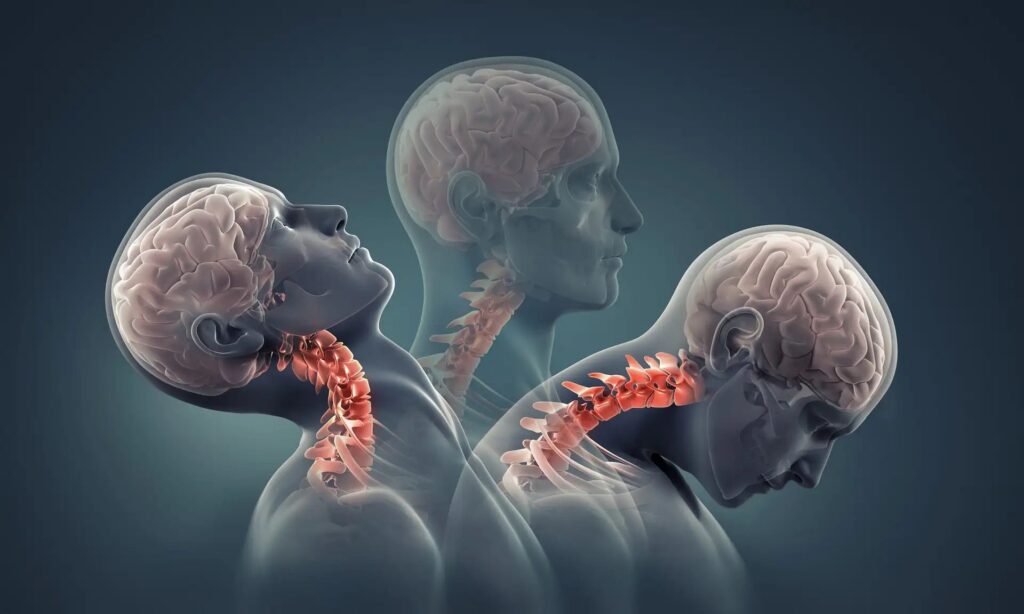
The craniovertebral junction (CVJ) is the complex anatomical region where the base of the skull meets the upper cervical spine, specifically the atlas (C1) and axis (C2) vertebrae. This region houses critical neurological and vascular structures, including the lower brainstem, upper spinal cord, and vertebral arteries.
Pathologies at the CVJ are relatively uncommon but can be serious. They require a highly specialised understanding of this complex anatomy and careful surgical planning when intervention is needed.
Types and Causes
CVJ pathologies encompass a range of conditions:
- Basilar invagination and atlantoaxial instability – the most common CVJ abnormalities seen in India, often related to congenital bone malformation or inflammatory conditions like rheumatoid arthritis
- Chiari malformation – downward displacement of the cerebellar tonsils through the base of the skull, sometimes associated with syringomyelia (fluid cavity within the spinal cord)
- Os odontoideum – an abnormally separated odontoid process leading to instability at the C1-C2 level
- Traumatic CVJ instability – following high-energy injuries to the upper cervical spine
- Tumours involving the CVJ region
What Does It Feel Like?
Symptoms depend on the specific condition but commonly include:
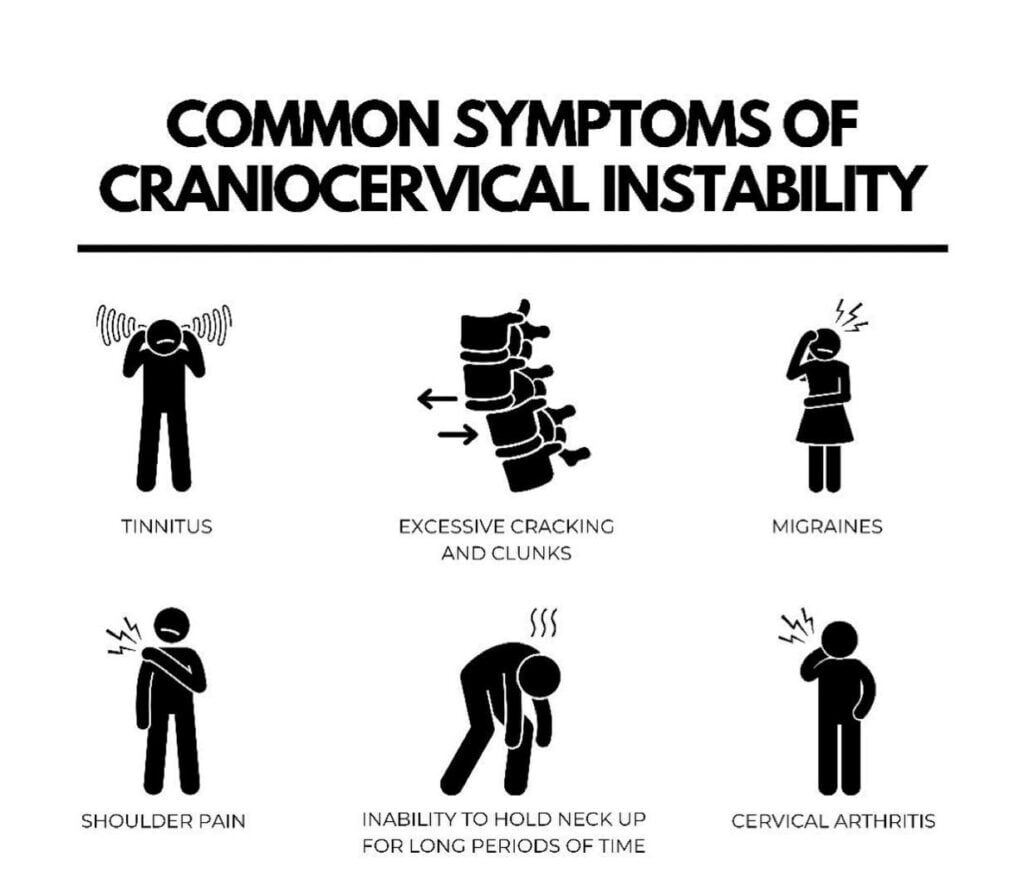
- Neck pain and occipital (back of head) headaches, often worsened by movement
- Weakness or numbness in all four limbs (quadriparesis)
- Difficulty swallowing, speaking, or breathing in severe cases
- Gait imbalance and coordination difficulties
- Symptoms that worsen with neck flexion
How Is It Diagnosed?
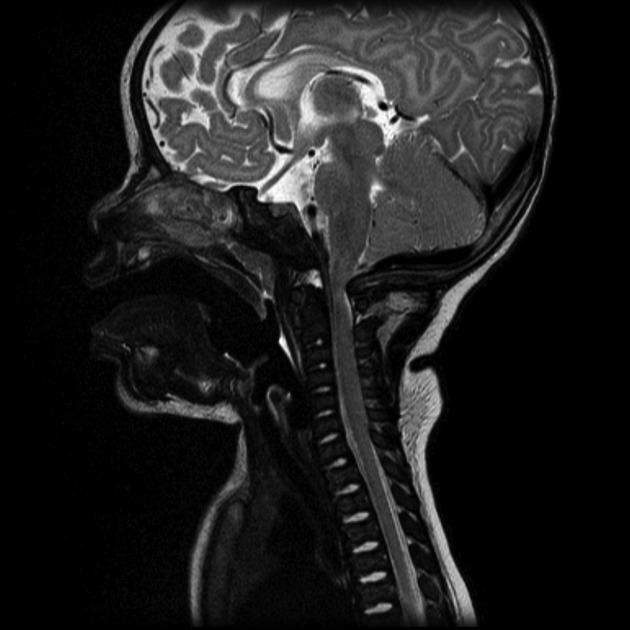
- MRI of the craniovertebral junction and posterior fossa
- CT scan with 3D reconstruction for detailed bony anatomy – essential for surgical planning
- Dynamic X-rays (flexion-extension views) to assess instability
- Neurophysiological monitoring in complex cases
How Is It Treated?
Management ranges from close observation for mild, stable cases to complex surgical decompression and stabilisation for symptomatic or progressive disease. Surgical options include:
- Posterior fossa decompression for Chiari malformation
- Transoral or endoscopic anterior decompression for ventral compression
- C1-C2 or occipito-cervical fusion for instability
CVJ surgery is among the most technically demanding in spine surgery and requires significant subspecialty expertise. Outcomes with expert surgical care are excellent for carefully selected patients.
Self-Check at Home
CVJ pathologies are complex and cannot be self-diagnosed. However, these warning signs should prompt urgent specialist referral:
The Four-Limb Check:
- Is there any weakness, heaviness, or clumsiness in both arms and both legs simultaneously?
- Do symptoms worsen specifically when bending the neck forward?
The Swallowing and Voice Check:
- Any new difficulty swallowing, change in voice quality, or episodes of choking without an obvious cause?
The Balance and Coordination Check:
- Perform the tandem gait test described in the myelopathy section above
- Any inability to walk heel to toe in a straight line warrants evaluation
The Occipital Headache Check:
- Persistent headaches felt at the back of the head (occipital region), particularly if they worsen with neck movement or coughing, are a characteristic symptom of CVJ pathology
These are complex conditions requiring specialist neuroimaging. The self-checks above are designed to identify symptoms that should not be ignored or attributed to simpler causes.
Unsure about your symptoms? Our free Spine Self Check takes less than two minutes and gives you a clearer picture before your consultation.
Motion-Preserving Considerations
At the CVJ, the C1-C2 joint contributes approximately 50% of all cervical rotation. Fusion at this level therefore carries a significant motion cost. Where pathology permits:
C1-C2 joint preservation is always the goal. In selected cases of atlantoaxial instability, techniques that achieve stabilisation while preserving some rotational movement are preferred over complete rigid fusion where biomechanically safe.
For Chiari malformation, posterior fossa decompression without fusion is the standard approach — decompressing the overcrowded posterior fossa without instrumenting or fusing the upper cervical spine, thereby preserving full CVJ motion.
Understanding your symptoms is the first step. If something here sounds familiar, book a consultation with Dr. Namith Rangaswamy or call +91 91081 04114 to get a proper diagnosis.