
What is Cervical Spondylosis?
Cervical spondylosis is the medical term for age-related degeneration of the cervical spine, the seven vertebrae that make up the neck. As we age, the discs between the vertebrae lose water content and height, the joints develop arthritic changes, and bony spurs (osteophytes) can form. Together, these changes can narrow the space available for the spinal cord and nerve roots, leading to pain, stiffness, and sometimes neurological symptoms.
It is extremely common, detectable on imaging in over 85% of people above the age of 60, but the severity of symptoms varies greatly from person to person.
Who Gets It and Why?
While ageing is the primary driver, certain factors accelerate or worsen cervical spondylosis:
- Prolonged desk work, driving, or screen use
- Previous neck injuries
- Genetic predisposition to early disc degeneration
- Heavy manual labour involving repetitive neck loading
- Smoking, which accelerates disc degeneration
What Does It Feel Like?
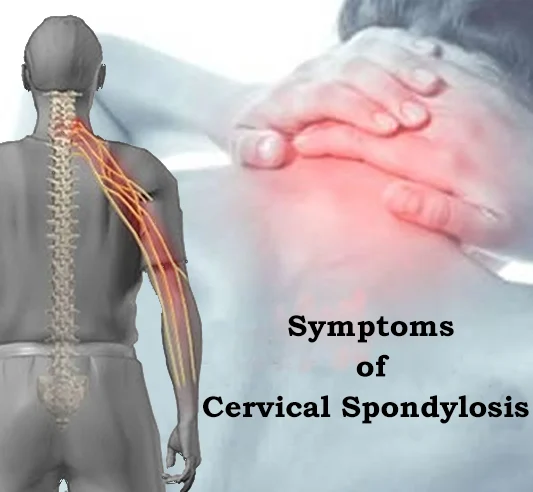
Many people with cervical spondylosis on imaging have no symptoms at all. When symptoms do occur, they include:
- Chronic neck pain and stiffness, often worse in the morning
- Reduced range of neck movement
- Grinding or clicking sensations with movement
- Headaches, particularly at the back of the head
- Arm pain, tingling, or numbness if nerve roots are compressed (cervical radiculopathy)
- Difficulty with hand coordination or walking if the spinal cord is affected (cervical myelopathy)
How Is It Diagnosed?
Clinical assessment combined with imaging forms the basis of diagnosis:
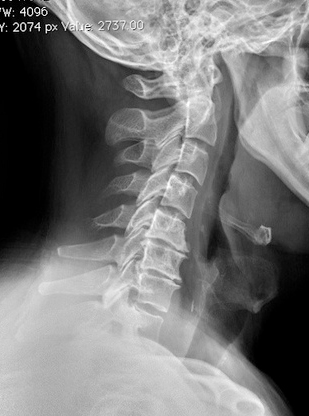
- X-rays show disc space narrowing, osteophytes, and alignment
- MRI is the key investigation, it reveals disc degeneration, nerve compression, and any signal change in the spinal cord
- CT myelogram is used in selected cases, particularly if surgery is being considered
How Is It Treated?
The majority of patients with cervical spondylosis are managed without surgery:
- Physiotherapy to improve posture, muscle strength, and range of motion
- Anti-inflammatory and analgesic medications for pain control
- Cervical collar – short-term use in acute flare-ups
- Lifestyle modifications – ergonomic adjustments, regular movement breaks
Surgical intervention is reserved for patients with significant nerve compression causing arm pain or weakness (radiculopathy), or evidence of spinal cord compression (myelopathy). Modern surgical options include anterior cervical discectomy and fusion (ACDF) and cervical disc replacement, a motion-preserving alternative suitable for selected patients. The choice of procedure is individualised based on the pattern of disease, age, and functional demands.
Cervical spondylosis is manageable. Early recognition and structured treatment can significantly improve quality of life and prevent progression to more serious complications.
Self-Check at Home
The Stiffness and Crepitus Check: Place your fingertips lightly on the sides of your neck. Slowly turn your head from left to right. A grinding, clicking, or crunching sensation (crepitus) felt under your fingers is common in cervical spondylosis and reflects the arthritic changes in the facet joints. While crepitus alone is not diagnostic, combined with stiffness and pain it is a reliable indicator of significant degenerative change.
The Morning Stiffness Check: Note how your neck feels when you first wake up. Significant stiffness that takes more than 15 to 20 minutes to ease with movement is characteristic of inflammatory or degenerative cervical spine disease. Pure muscle tension usually eases much faster.
The Functional Check:
- Can you comfortably check your blind spot when driving by turning your head fully to each side?
- Can you look up at the ceiling without pain or significant restriction?
- Can you tuck your chin to your chest without pain?
Inability to perform these movements comfortably, or progressive restriction over months, suggests significant cervical spondylosis warranting evaluation.
Unsure about your symptoms? Our free Spine Self Check takes less than two minutes and gives you a clearer picture before your consultation.

Motion-Preserving Surgical Options
Cervical Disc Replacement: For patients with cervical spondylosis causing nerve or cord compression at one or two levels, artificial disc replacement is an excellent motion-preserving alternative to fusion. By replacing the degenerate disc with a functional implant, normal movement is maintained and the risk of accelerated degeneration at adjacent levels is significantly reduced. Globally approved implants such as Mobi-C, Baguera-C, Prodisc Nova, Secure-C or Simplify are used.Cervical Laminoplasty: For patients with multilevel cervical spondylosis causing spinal cord compression (myelopathy), laminoplasty is a motion-preserving posterior surgical option. Instead of removing the lamina entirely and fusing the spine, laminoplasty hinges the laminae open like a book, expanding the spinal canal to decompress the cord while keeping the posterior bony structures intact and preserving cervical movement. It is a well-established alternative to laminectomy and fusion for multilevel cervical myelopathy in patients with good cervical alignment
Understanding your symptoms is the first step. If something here sounds familiar, book a consultation with Dr. Namith Rangaswamy or call +91 91081 04114 to get a proper diagnosis.