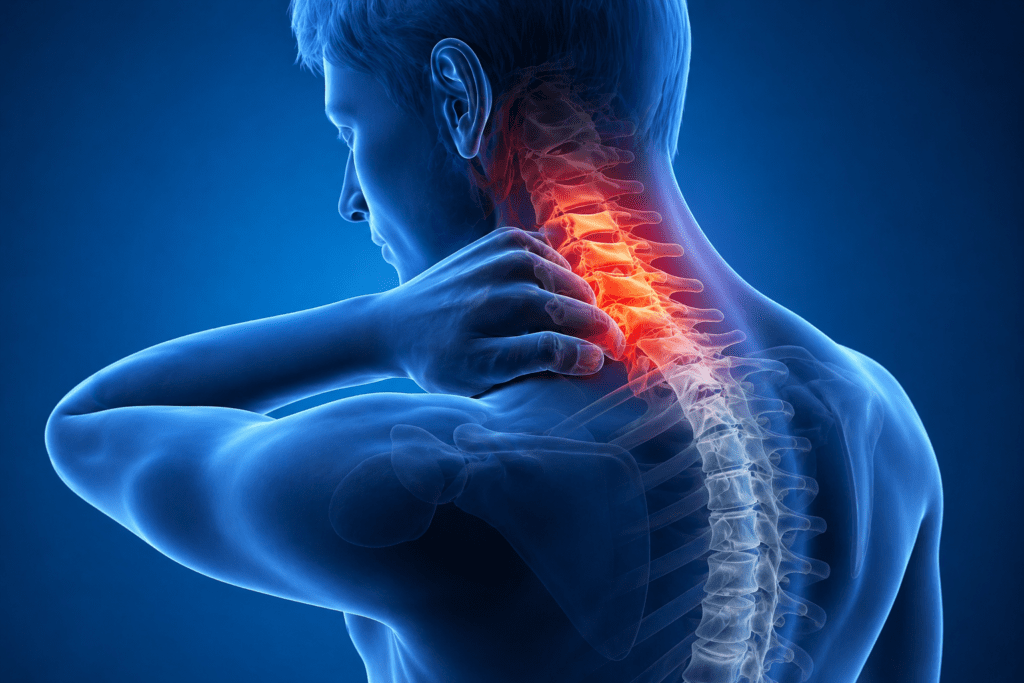
Common questions addressing spine conditions, treatment pathways, and recovery. The information presented is intended as general guidance and should be considered alongside a personalised clinical assessment.
Persistent pain lasting more than a few days, pain radiating to the arms or legs, numbness, weakness, or difficulty with balance are reasons to seek specialist evaluation. Early assessment helps identify the cause and prevents progression.
Sciatica refers to pain shooting from the lower back to the leg due to nerve irritation. Treatment depends on the underlying cause and may include non-surgical care or, in selected cases, targeted surgical intervention.
No. The majority of disc-related problems can be managed without surgery through medication, physiotherapy, and structured rehabilitation. Surgery is considered only when symptoms persist or there is significant nerve compression.
Recovery varies depending on the condition and procedure performed. Many patients resume basic activities within a few days, while full recovery and rehabilitation may take longer.
These are techniques designed to treat spinal conditions with smaller incisions and less tissue disruption. The aim is to reduce postoperative pain, shorten recovery time, and allow earlier return to daily activities. Some of the procedures include, endoscopic surgery, tubular surgery, kyphoplasty/vesselplasty, anterior lumbar surgeries or percutaneous screw fixations
While not all conditions can be prevented, maintaining good posture, regular physical activity, core strength, and avoiding prolonged strain can reduce the risk of many spine-related problems.